Back to projects
2024

Lowering the barrier to EU data

Shaping a data platform that helps people find, translate, clean, map, filter, and analyze EU datasets without needing expert GIS knowledge.

My role

Product Designer and Builder

Category

Data platform

Period

2024

Lowering the barrier to EU data Background
Cartarra is being shaped as a new EU data platform that lowers the barrier to finding and analyzing data. The ambition is not only to make datasets available, but also to clean them up, translate them into the user's preferred language, and make them easier to explore through maps, filters, and clear context.

Lowering the barrier to EU data The challenge
The platform has to work for a very wide audience: curious users with no GIS experience, people who simply want a quick answer, and data specialists who need depth and control. The challenge is to make the product approachable without making it feel too limited for expert use.
Lowering the barrier to EU data How we worked
I worked on the product framing and UX direction around discovery, translation, map-based exploration, and filtering. A lot of the design effort went into deciding what the product should explain, what it should automate, and where users still need transparent control over the data.
Lowering the barrier to EU data Key decisions
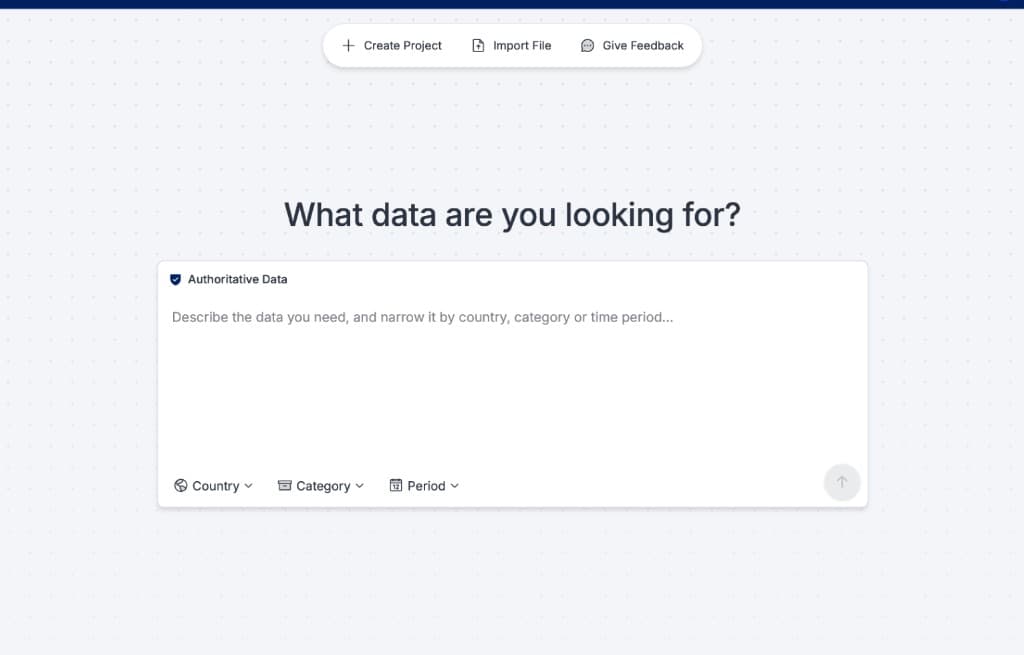
  • Make search and plain-language dataset discovery the natural starting point before asking users to understand data structures.
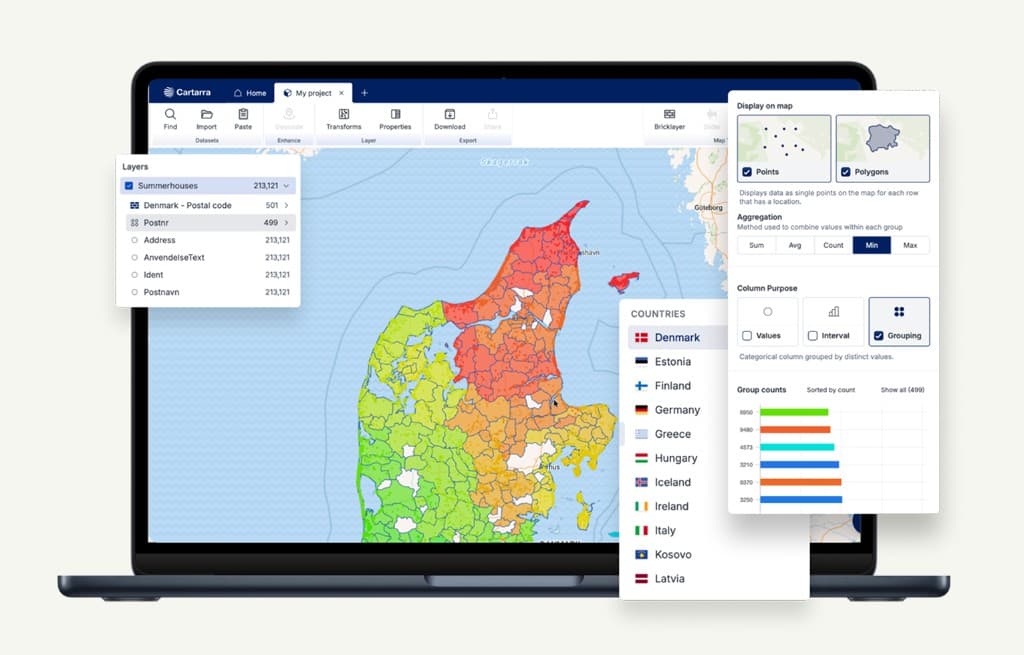
  • Keep maps, filters, metadata, and translation close together so users do not lose context while exploring.
  • Design for progressive depth, where beginners can get started quickly and experts can still inspect the details behind the result.
Lowering the barrier to EU data The outcome
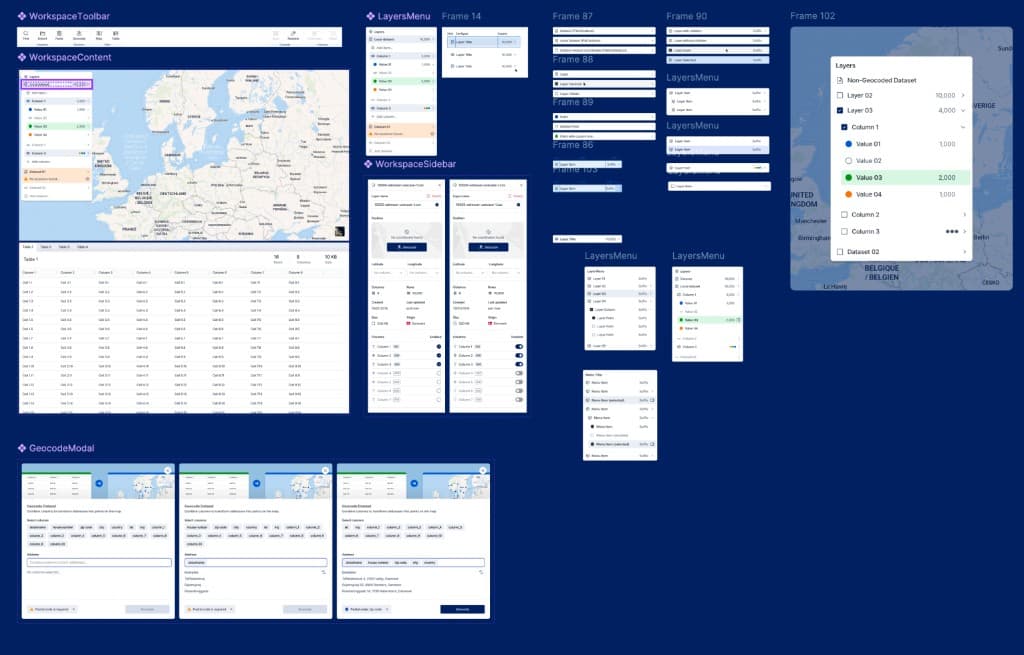
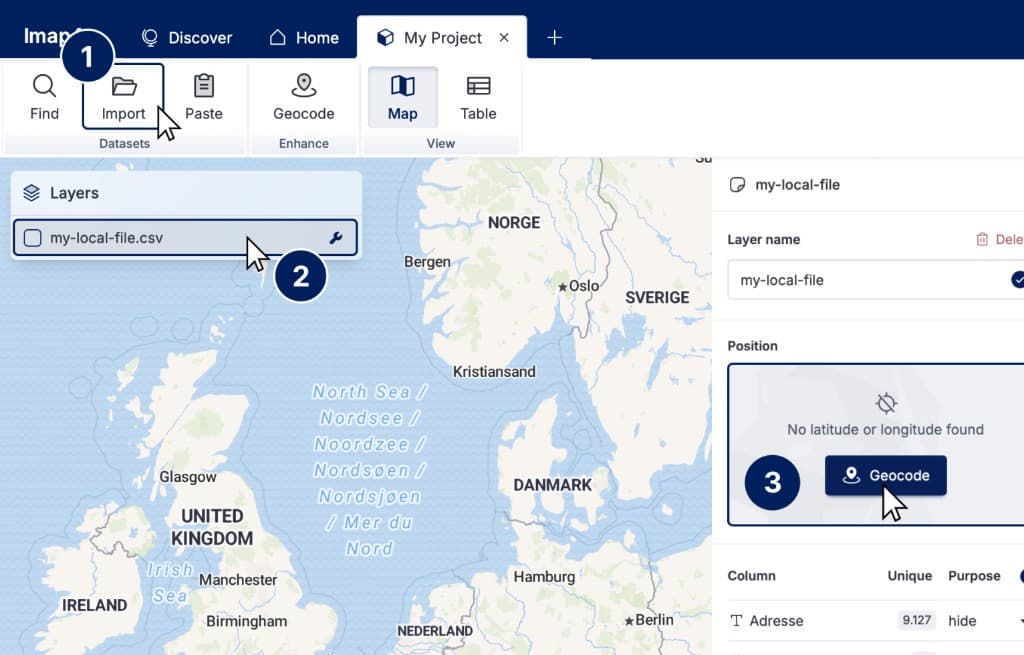
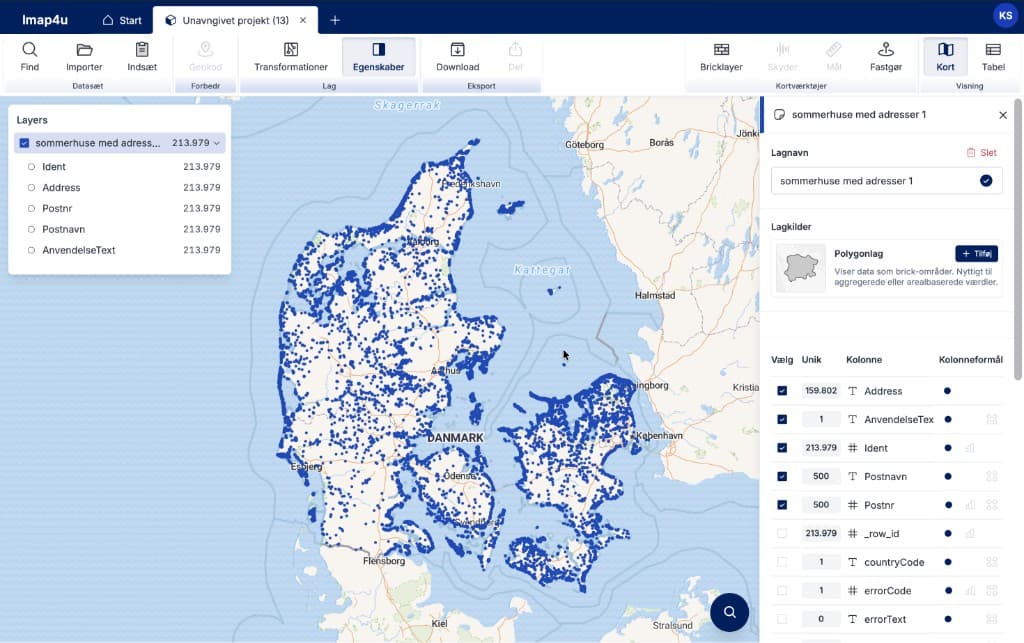
The product direction centers on an exploration workspace where users can find relevant data, understand what it means, see it on a map, filter it, and move toward analysis without needing to assemble the workflow themselves.
Lowering the barrier to EU data What changed
The concept gives the platform a clearer promise: make data useful earlier in the journey. That makes it easier to discuss features, onboarding, and trade-offs around both accessibility and analytical power.
Lowering the barrier to EU data What stayed with me
Designing for 'anyone' does not mean designing for a vague average user. It means creating layers of understanding so different users can enter the same product at different levels of confidence.

Next project

Event discovery for paddling communities